
German Kitchens vs English Kitchens: Which Style is Right for You?
- Wix

- Jun 5
- 3 min read
Choosing the right kitchen style can transform your home’s heart into a space that fits your lifestyle and taste. German and English kitchens each offer unique qualities that appeal to different preferences. Understanding their differences helps you decide which design suits your needs best. This post explores the key features, benefits, and considerations of German and English kitchens to guide your choice.
Design Philosophy and Style
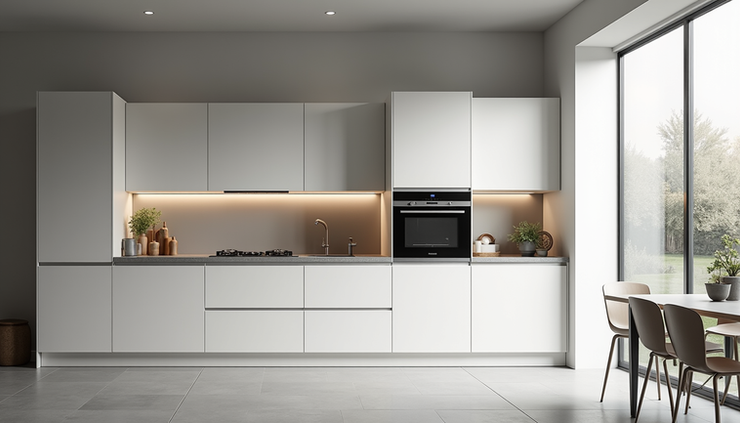
German kitchens are known for their minimalist and modern design. They emphasize clean lines, flat surfaces, and handleless cabinets that create a seamless look. The focus is on simplicity and efficiency, often using materials like high-gloss lacquer, glass, and metal. This style suits those who prefer a contemporary, clutter-free environment.
English kitchens, by contrast, embrace a traditional and cozy aesthetic. They often feature shaker-style cabinets, natural wood finishes, and decorative moldings. The design includes open shelving, farmhouse sinks, and warm colors that create a welcoming atmosphere. This style appeals to people who want a classic, homely kitchen with character.
Materials and Build Quality
German kitchens use high-quality engineered materials designed for durability and precision. Cabinets are typically made from MDF or particleboard with laminate or lacquer finishes. German manufacturers focus on advanced engineering, ensuring smooth drawer mechanisms and soft-close hinges. This results in kitchens that last long and require minimal maintenance.
English kitchens often use solid wood or wood veneers, which provide a natural and warm feel. The craftsmanship highlights traditional joinery techniques and hand-painted finishes. While solid wood adds charm, it may require more upkeep to prevent wear from moisture or heat. This choice suits those who value authenticity and timeless appeal.
Functionality and Layout
German kitchens prioritize functionality and space optimization. They often feature modular units that can be customized to fit any space. Integrated appliances and clever storage solutions like pull-out pantries and corner carousels maximize usability. The layout supports efficient workflows, ideal for busy households or those who cook frequently.
English kitchens focus on comfort and social interaction. They usually include larger work surfaces, kitchen islands, and seating areas that encourage family gatherings. Storage is practical but less modular, with a preference for open shelves and display cabinets. This style works well for people who enjoy cooking as a social activity and want a warm environment.
Appliances and Technology
German kitchens often incorporate the latest built-in appliances with smart technology. Brands like Miele, Bosch, and Siemens are popular for their reliability and innovation. Features such as touch controls, energy efficiency, and integrated lighting enhance the cooking experience. This approach suits tech-savvy users who want a modern kitchen with advanced functionality.
English kitchens may use a mix of built-in and freestanding appliances, often choosing styles that complement the traditional look. For example, classic-style ranges like Aga or Rayburn add charm and warmth. While technology is present, it is usually less prominent than in German kitchens. This suits those who prefer a kitchen that feels timeless rather than high-tech.
Cost Considerations
German kitchens tend to be more expensive upfront due to their precision engineering and high-end materials. However, their durability and low maintenance can save money over time. Customization options also allow you to tailor the kitchen to your exact needs, which can add value to your home.
English kitchens can vary widely in cost depending on the materials and craftsmanship. Solid wood kitchens are often costly, especially if hand-painted or custom-built. However, simpler designs with laminate finishes can be more affordable. The traditional style may require more upkeep, which is a factor to consider in long-term costs.
Maintenance and Longevity
German kitchens are designed for easy maintenance. Smooth surfaces and durable finishes resist stains and scratches. Soft-close mechanisms reduce wear and tear on doors and drawers. This makes them ideal for busy households or those who want a kitchen that stays looking new with minimal effort.
English kitchens require more regular care, especially if made from solid wood. Wood surfaces may need periodic sealing or repainting to protect against moisture. Open shelves can collect dust, requiring frequent cleaning. The charm of an English kitchen comes with a commitment to upkeep.
Which Kitchen Style Fits Your Lifestyle?
Choose a German kitchen if you want a sleek, modern space that maximizes efficiency and uses the latest technology. It suits busy cooks, minimalists, and those who prefer a clean, uncluttered look.
Choose an English kitchen if you value tradition, warmth, and a cozy atmosphere. It fits families who enjoy social cooking, appreciate craftsmanship, and want a kitchen with character.
Both styles offer excellent options but cater to different tastes and needs. Consider your cooking habits, design preferences, and maintenance willingness when making your decision.
Comments